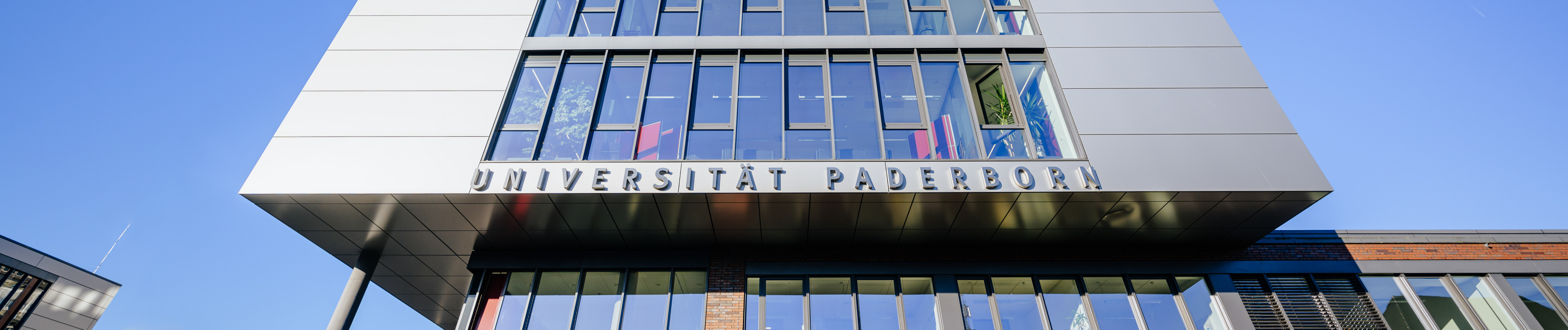
With its new ‘Benelux Studies’ centre, Paderborn University will in future bring together research, teaching and knowledge transfer relating to the Benelux region (Belgium, the Netherlands and Luxembourg). Together with representatives of the Benelux Union, the heads of the Faculty of Arts and Humanities celebrated the centre’s opening on Tuesday 22 September. Those interested can find detailed information on the centre’s remit, areas of activity and initiatives on its website.
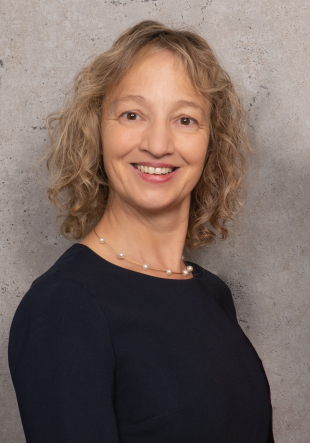
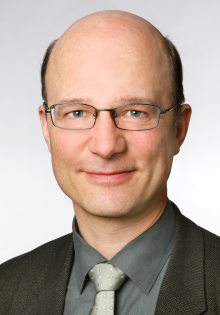
“Despite close historical, economic and cultural ties, the Benelux region has so far received comparatively little attention in Germany as a distinct cultural area. This is where the new research centre comes in. Working in close collaboration with academics from Belgium, Luxembourg and the Netherlands, it conducts research into the Benelux region and is committed to facilitating the knowledge transfer in research. The Centre aims to provide scientifically sound support for processes of transformation – such as cultural transfer and change, the formation and crossing of borders, and the formation and dissolution of regions – to compile readily accessible material, and to make the findings available for higher education and the general public,” says Prof. Dr Sabine Schmitz, Chair of the Belgium Centre (BELZ) at Paderborn University. Together with Prof. Dr Johannes Süßmann from the Institute of History, she will be responsible for the centre.
The centre builds on existing structures, in particular the BeneluxNet digital platform and the interdisciplinary Master’s study programme in BeNeLux Studies. In future, students are to receive concrete support through, for example, practical projects, digital learning formats, work placements and research projects. The programme focuses on history, culture, politics and economics. It also addresses issues of cross-border cooperation, multilingualism, Benelux identity and cultural exchange between North Rhine-Westphalia and the Benelux countries.
Knowledge transfer for schools and the public
Knowledge transfer also plays a central role. For example, teaching materials, infographics and digital formats are to be developed to facilitate a reflective engagement with the Benelux region and with processes of cultural transfer. Projects such as ‘Benelux macht Schule’ also bring the topic into school practice. As part of this, pupils at the Gymnasium Theodorianum in Paderborn have already developed, in an initial phase, analogue and digital themed kits covering various topics such as cuisine, travel and everyday life in Benelux cities. Headteacher Nicole Michaelis presented the project at the opening ceremony.
“With this new centre, Paderborn University is creating a forum for academic dialogue for the Benelux region. In doing so, it is highlighting a European area of interconnection that is of great relevance to research, education, politics, business and the general public,” said University President Prof. Dr Matthias Bauer. Ariadne Petridis, Secretary-General of the Benelux Union, and Dr Stefan van Heeck, liaison officer for North Rhine-Westphalia (NRW) at the Benelux Union, also travelled to Paderborn for the ceremony. NRW occupies a special position in this context, as the state concluded a treaty on a privileged partnership with the Benelux states in 2008. It maintains close economic, political and cultural ties with the region. Also present was Dr Loth Van der Auwermeulen from Hasselt University, spokesperson for the BeneluxRise research network, with which the Centre cooperates closely.
This text was translated automatically.