Science and industry join forces for sustainable production
Despite the European Union's recent softening of the ban on combustion engines, e-mobility remains indispensable across the board. Electric drives are the means of choice when it comes to reducing CO₂ emissions in road and rail transport and making a significant contribution to climate protection. A new, large-scale research project led by Paderborn University is now working on the development of electric motors based on additive manufacturing processes. The project, which involves industrial partners such as Mercedes-Benz AG and Siemens AG, has a total volume of around 11.5 million euros and is being sponsored by the Federal Ministry for Economic Affairs and Energy (BMWE) for a period of three years. TÜV Rheinland's research and innovation management team is in charge of "AddReMo"[1], as the project is called.
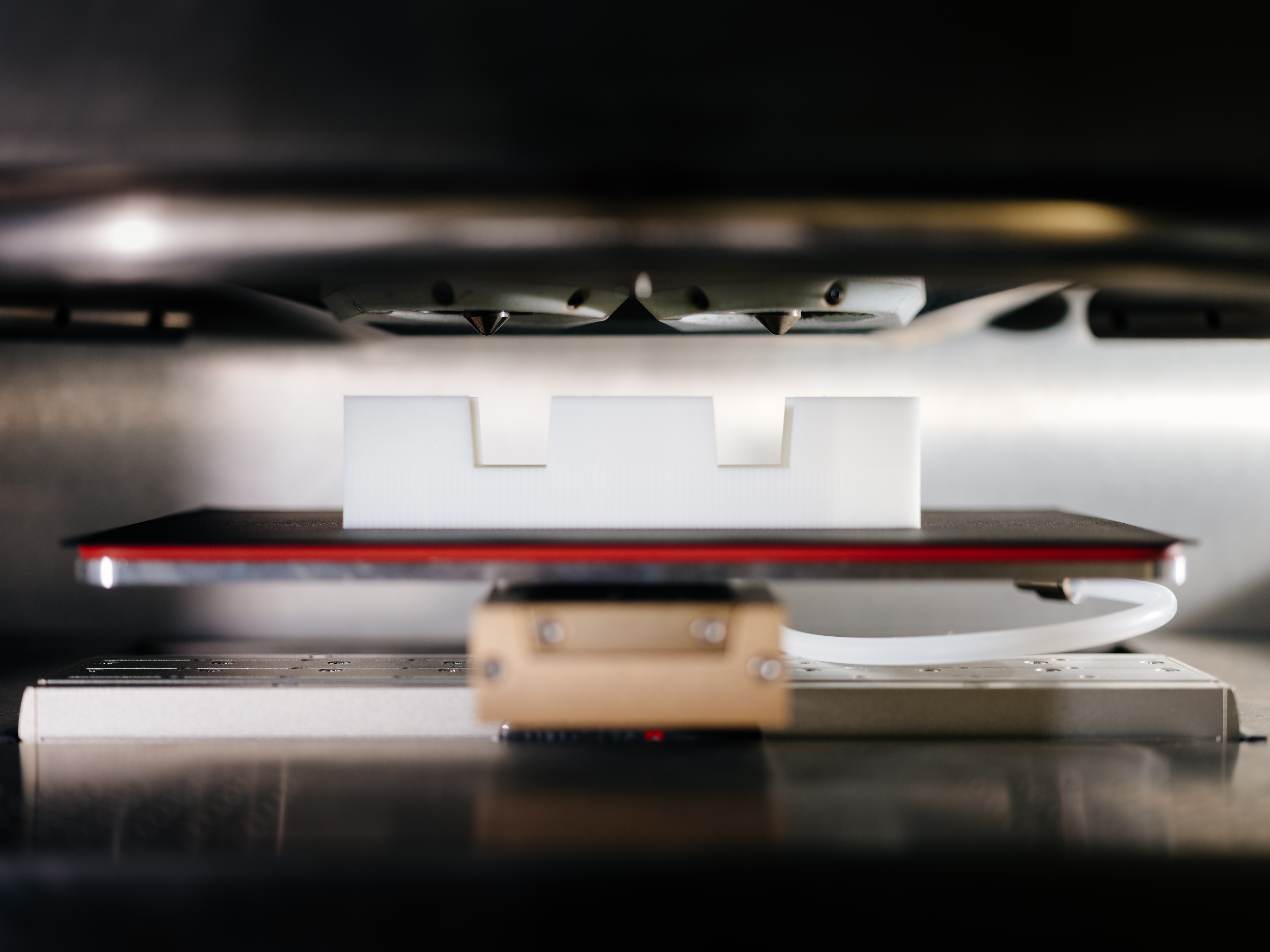
"Our aim is to develop innovative technologies for the production of electric drive systems that contribute to sustainable mobility and a significant reduction in CO2 emissions," says Prof. Dr.-Ing. Balázs Magyar, Head of "Design and Drive Technology" at Paderborn University. Together with Siemens AG, the chair is the consortium leader of the research project. The focus is on the research and application of additive manufacturing processes for the production of electric motors. "We are using three different processes[2] to exploit design freedom and optimise the use of materials. The focus is on further development in terms of process stability, processing new types of high-performance materials in the mono- and multi-material area, simulation-based design and AI-based quality assurance," continues Prof Magyar.
The processes allow a reduction in weight, the so-called mass moment of inertia and an improvement in cooling in order to increase the power density of the electric motors. For industrial use, e-motor demonstrators are being further developed by Mercedes-Benz AG and Siemens AG, evaluated from a technical and economic perspective and integrated into existing overall systems. In addition to the optimised e-motors, decentralisation of production is also made possible, which reduces dependence on global supply chains and strengthens industrial resilience. "By comparing the manufacturing processes, the mechanical, thermal and magnetic properties of the electric motors are analysed and validated under real conditions using simulation and experimentation. The aim is to carry out both a technical and an economic-ecological evaluation of the processes and the e-motors in order to create a production-ready product," explains Prof. Dr.-Ing. Mirko Schaper, Head of the Chair of Materials Science at Paderborn University and Dean of the Faculty of Mechanical Engineering.
The results should help to realise more resource-efficient and powerful drive systems for future mobility and sustainably improve industrial production. The transfer and scaling potential ensures a cross-industry impact, not only in the field of e-mobility, but also with regard to increasing efficiency classes for stationary electric motors in accordance with EU regulations.
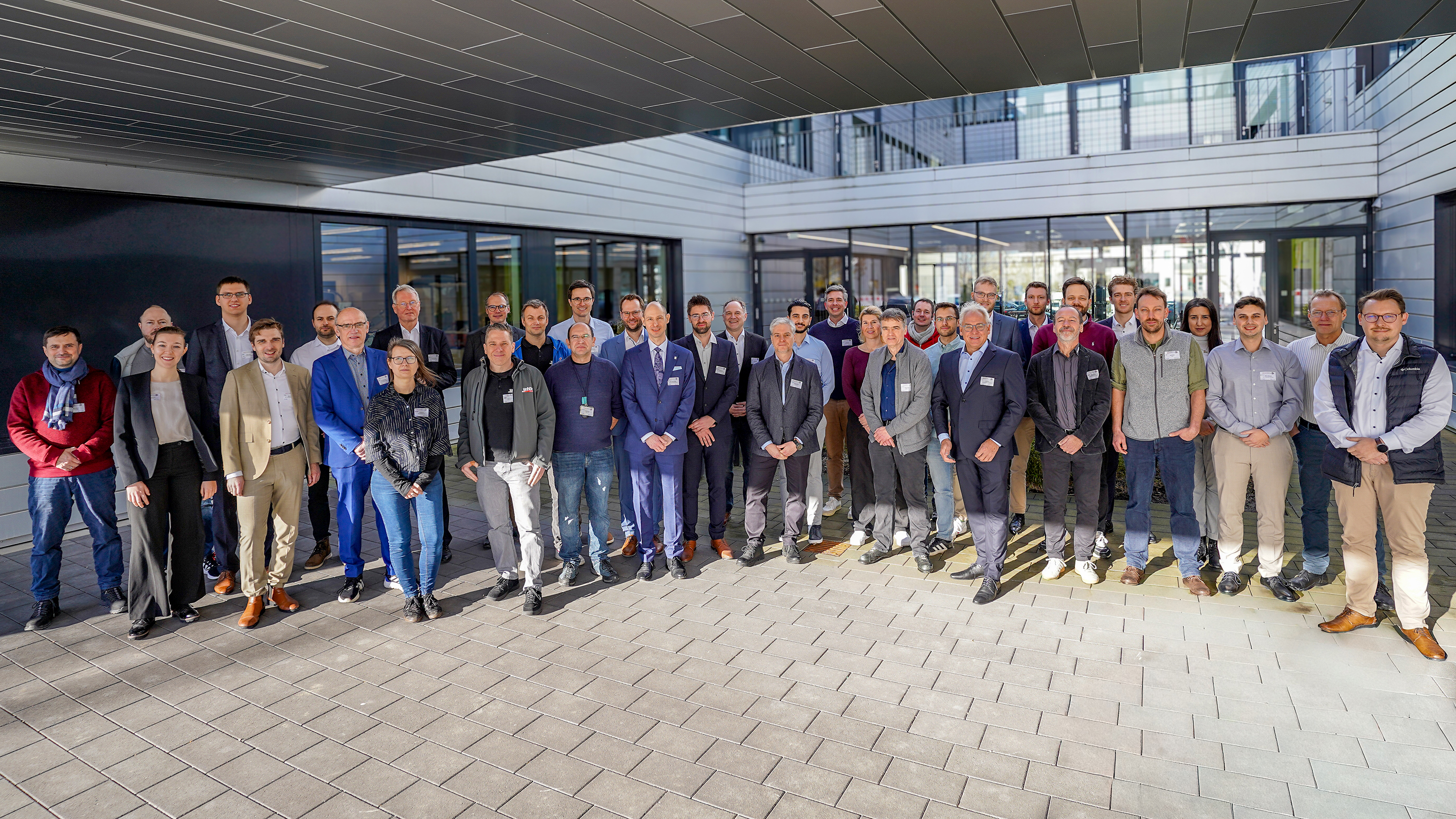
In addition to Paderborn University, the consortium also includes the Karlsruhe Institute of Technology (KIT-wbk Prof. Lanza/Prof. Zanger) and Leibniz Universität Hannover (LUH-IAL Prof. Ponick). Industrial partners are: Siemens AG, Mercedes-Benz AG, USU GmbH, Nikon SLM Solutions AG, Additive Drives GmbH, Schübel GmbH, QASS GmbH, Whitecell Eisenhuth GmbH & Co KG, Indutherm Gießereitechnologie GmbH and Carbolite Gero GmbH & Co KG. Additive Marking GmbH and Advanced Mechanical Engineering GmbH are associated partners.
This text was translated automatically.
[1] "Use of additivemanufacturing technologies to achieve resource-efficientprocess chains and engine components in the field ofe-mobility" (AddReMo). The project is affiliated to the "DNS der zukunftsfähigen Mobilität" funding programme of the Federal Ministry.
[2] PBF-LB/M (laser beam melting), AddCasting® and BJT-MSt/C (binder jetting)